Blue Jangles Hydrangea: The Ultimate Guide To Growing This Stunning Flower
Title: Blue Jangles Hydrangea: The Ultimate Guide to Growing This Stunning Flower
Introduction:
Hydrangeas are one of the most popular flowering shrubs in the world, and for good reason. They come in a wide variety of colors, sizes, and shapes, and they can be grown in a variety of climates. Blue Jangles hydrangea is a particularly stunning variety, with large, blue flowers that bloom in the summer.
In this blog post, we will provide an ultimate guide to growing Blue Jangles hydrangea. We will cover everything from choosing the right location to planting and care. By the end of this post, you will be an expert on growing this beautiful flower.
Main Content:
Choosing the Right Location
Blue Jangles hydrangeas prefer full sun to partial shade. They will tolerate full sun in cooler climates, but they may need some afternoon shade in hot, sunny areas. Blue Jangles hydrangeas also prefer moist, well-drained soil.
Planting
Blue Jangles hydrangeas can be planted in the spring or fall. When planting, dig a hole that is twice the size of the root ball. Amend the soil with compost or other organic matter. Place the hydrangea in the hole and backfill with soil. Water well.
Care
Blue Jangles hydrangeas are relatively easy to care for. They need regular watering, especially during the first year after planting. They also benefit from a monthly application of fertilizer. In the fall, you can prune Blue Jangles hydrangeas to shape them or to remove dead or damaged branches.
Changing the Color of the Flowers
The color of Blue Jangles hydrangea flowers can be changed by adjusting the acidity of the soil. In acidic soils, the flowers will be blue. In alkaline soils, the flowers will be pink or purple. To change the color of the flowers, you can add aluminum sulfate to acidic soils or lime to alkaline soils.
Pests and Diseases
Blue Jangles hydrangeas are susceptible to a few pests and diseases, including aphids, scale, and powdery mildew. If you see any pests or diseases on your hydrangeas, you can treat them with insecticidal soap or fungicide.
Conclusion
Blue Jangles hydrangeas are a beautiful and easy-to-care-for flowering shrub. With proper care, they will bloom for many years to come.
The blue jangles hydrangea is a beautiful and unique plant that is native to Japan. It is known for its large, showy blooms that can range in color from blue to pink to white. If you are looking for a stunning addition to your garden, the blue jangles hydrangea is a great choice.
To learn more about the blue jangles hydrangea, please visit Garden Wiki.
FAQ of blue jangles hydrangea
- What is Blue Jangles hydrangea?
Blue Jangles hydrangea is a variety of mophead hydrangea that is known for its large, blue flowers. It is a relatively new variety, having been introduced in 2006. Blue Jangles hydrangea is hardy in zones 5-9 and can grow up to 6 feet tall and wide.
- What are the best conditions for growing Blue Jangles hydrangea?
Blue Jangles hydrangea prefers full sun to partial shade and moist, well-drained soil. It is a relatively drought-tolerant plant, but it will do best with regular watering during the summer months. Blue Jangles hydrangea is also a heavy feeder, so it should be fertilized every spring with a balanced fertilizer.
- What are the most common pests and diseases that affect Blue Jangles hydrangea?
The most common pests that affect Blue Jangles hydrangea are aphids, scale, and spider mites. These pests can be controlled with insecticidal soap or neem oil. The most common diseases that affect Blue Jangles hydrangea are leaf spot and powdery mildew. These diseases can be prevented by watering the plant at the base and avoiding overhead watering.
- How do I deadhead Blue Jangles hydrangea?
Blue Jangles hydrangea should be deadheaded in the fall after the flowers have faded. This will encourage the plant to produce new flowers the following spring. To deadhead, simply remove the spent flower clusters from the plant.
- How do I overwinter Blue Jangles hydrangea?
In zones 5-6, Blue Jangles hydrangea may need to be protected from winter cold. This can be done by covering the plant with a burlap sack or by mulching the soil around the plant with 6-8 inches of mulch.
Image of blue jangles hydrangea
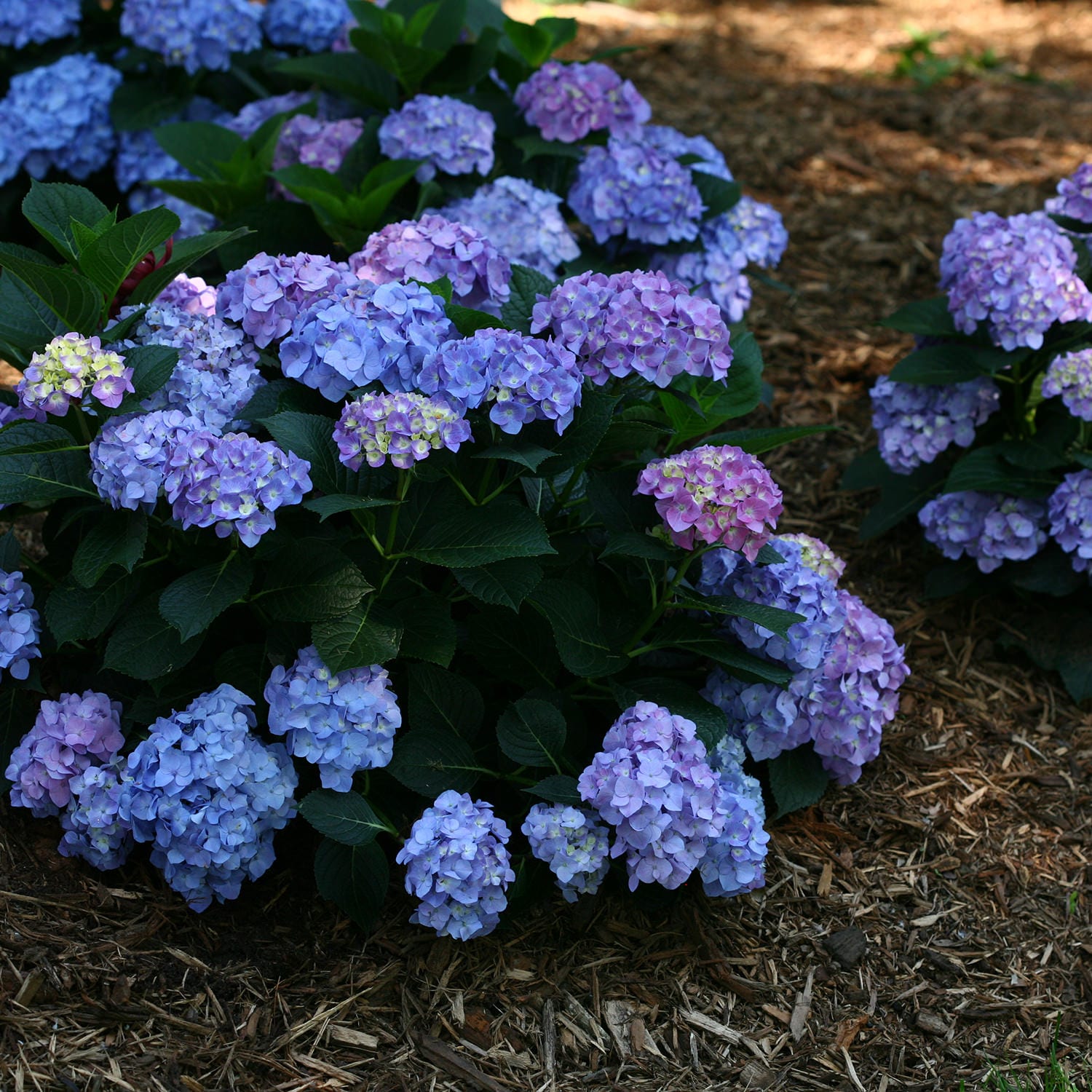
- Blue Jangles Hydrangea in full bloom.
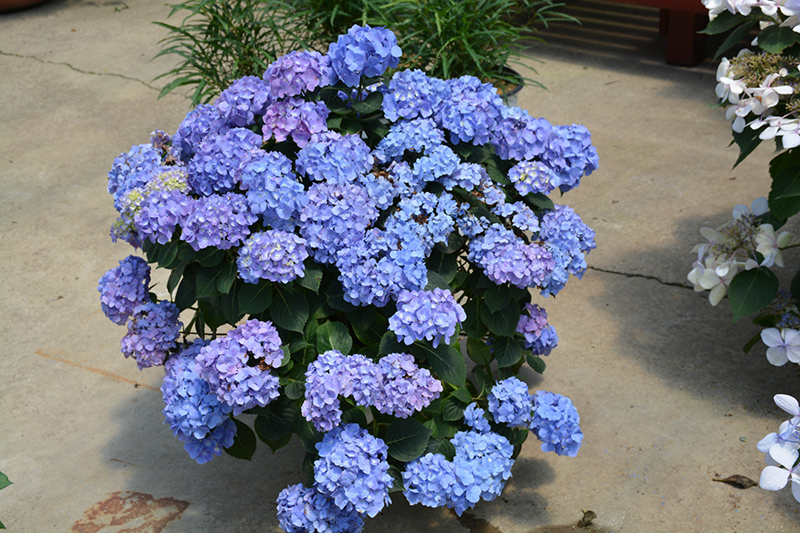
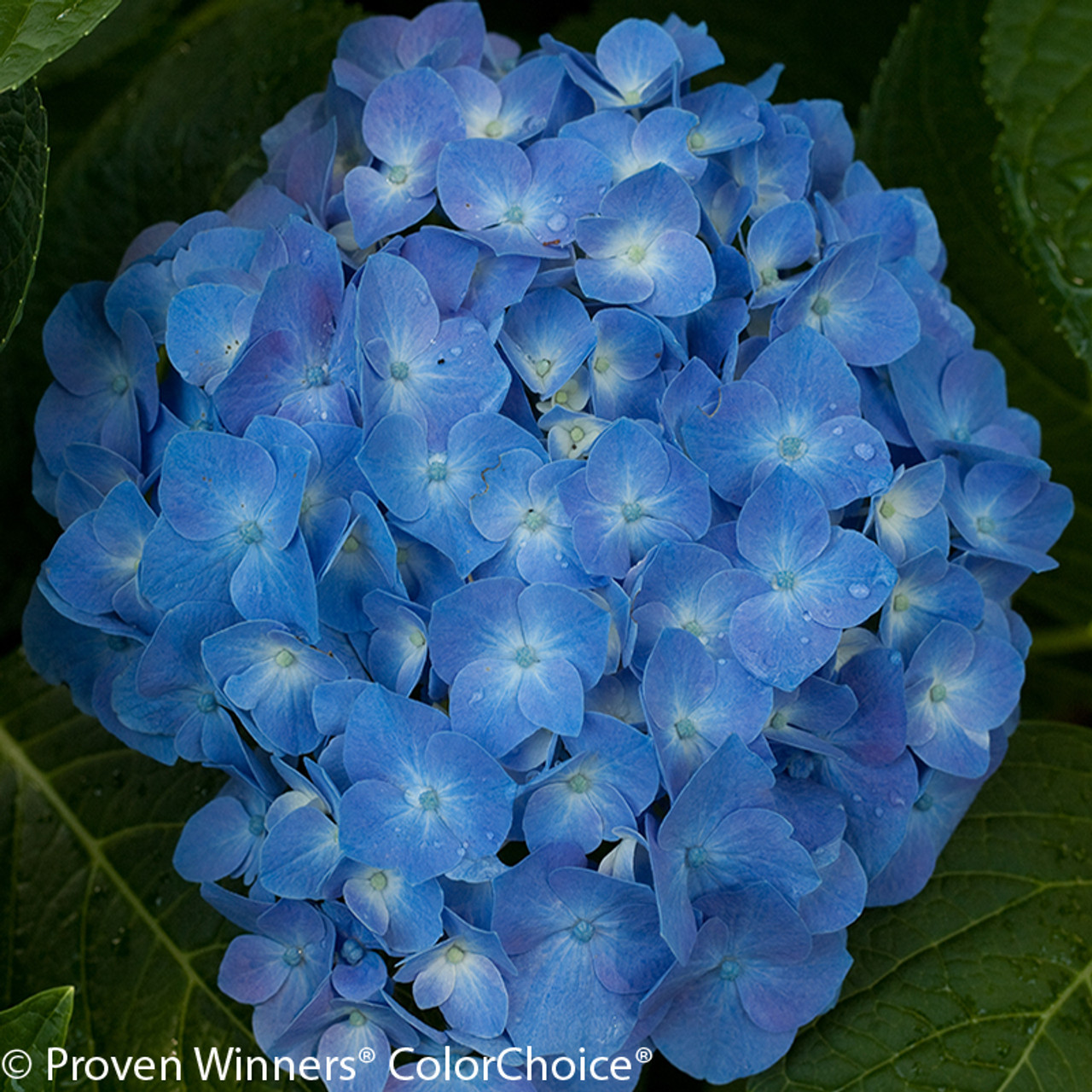
- A close-up of the blue flowers of a Blue Jangles hydrangea.
- A cluster of Blue Jangles hydrangea flowers in a vase.
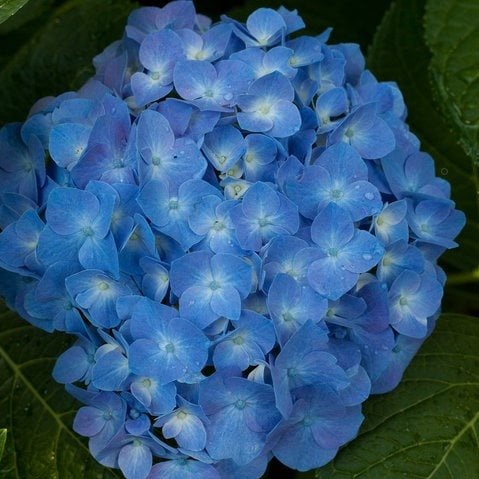
- A Blue Jangles hydrangea against a white background.
- A Blue Jangles hydrangea growing in a garden.
- A Blue Jangles hydrangea in the shade.
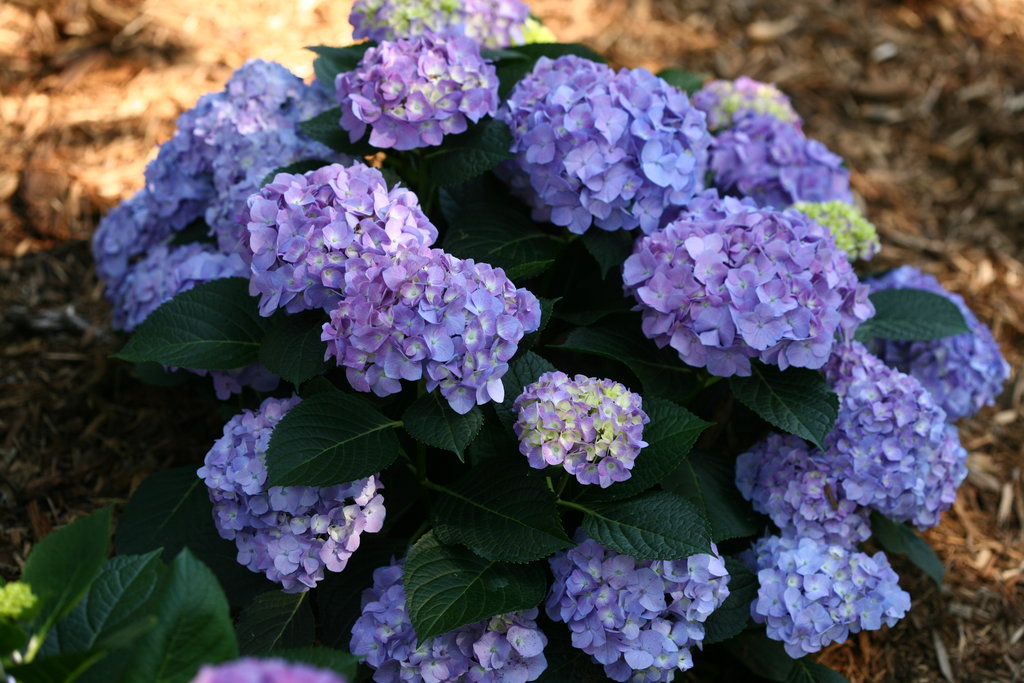
- A Blue Jangles hydrangea in the sun.
- A Blue Jangles hydrangea with bees.
- A Blue Jangles hydrangea with butterflies.

- A Blue Jangles hydrangea in a pot.


Post a Comment for "Blue Jangles Hydrangea: The Ultimate Guide To Growing This Stunning Flower"